

SSP Changes: Five ways day-one sick pay will impact absence

Changes to Statutory Sick Pay (SSP) mean employers will pay more people for more absence unless prevention and management keep pace.

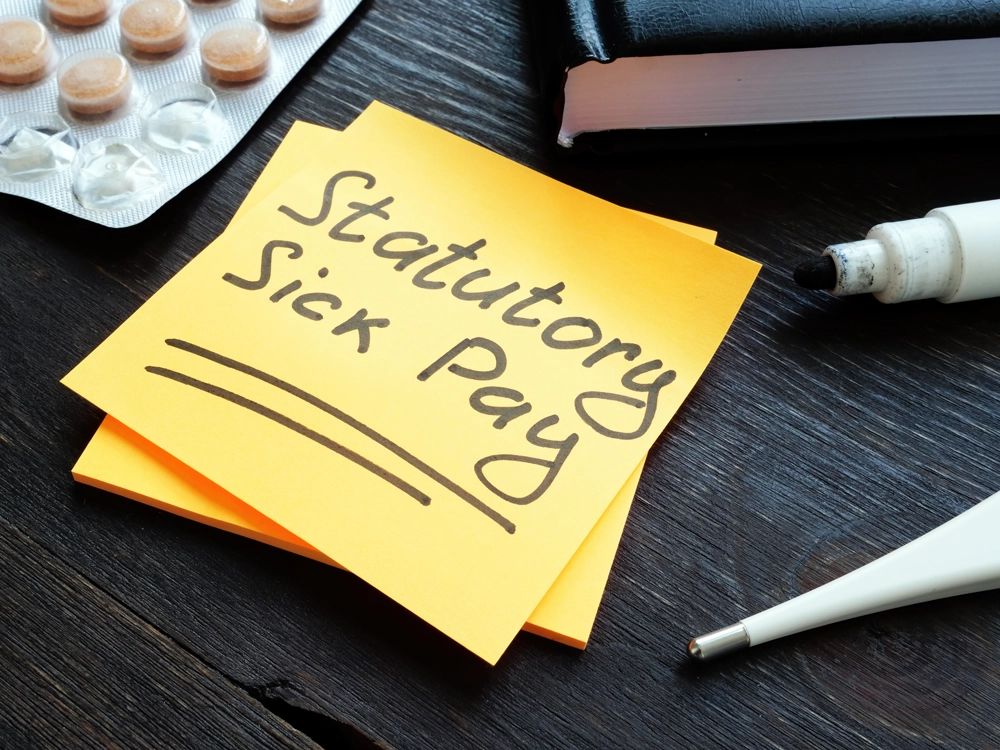
When changes to SSP come into effect on 6 April, employees will be entitled to sick pay from their first day of absence. They will no longer have to wait three days to receive this, or earn over £125 a week to be eligible.

Positive as this is for employees, it comes on the back of rising employer costs, including increases to National Insurance and the minimum wage, meaning more people receiving sick pay could represent a further unwelcome cost if not managed properly.

Critical to mitigating the impact is understanding how changes to SSP will influence absence behaviour and putting proactive strategies in place to manage this. Our chief medical officer, Dr Bernard Yew, explains how.

Five ways statutory sick pay (SSP) changes will impact absence costs

1. Employers will bear the cost of viruses

A significant proportion of short-term absence is due to common viral infections, such as coughs and colds in winter and norovirus in spring. Now that these absences no longer fall within an unpaid waiting period, employees are more likely to stay at home when unwell.

This is a positive shift, as it will reduce the spread of infection and presenteeism, where employees attend work but are too sick to perform. However, absorbing the cost of these short, contagious illnesses is not to be underestimated.

Employers who want to mitigate this can put proactive risk-reduction strategies in place, such as promoting good hand hygiene by reminding employees to wash their hands before they eat and refilling hand sanitiser and soap dispensers that have sat empty since the pandemic.

2. MSK-related absence comes into focus

Another major cause of short-term absence that often fell within the unpaid three-day waiting period, is musculoskeletal (MSK) flare-ups, such as back, neck and joint pain. Under the new SSP rules, employers will need to cover these short periods of absence from day one.

Historically, short-term MSK absence might not have been managed very effectively, as employees would typically be back at work before SSP kicked in. With day-one SSP, MSK issues will have to be addressed earlier to prevent repeat or prolonged absence.

A day-one absence management helpline can help, by providing employees with immediate access to a qualified nurse who can help advise on managing their condition or signpost them into support to expedite recovery and reduce the length of absence.

3. Relationship pressures show up in absence

One in three employees are struggling with personal relationship strain, yet this remains one of the most stigmatised wellbeing issues. Employees would rather discuss nine other wellbeing challenges than issues such as divorce or children struggling to attend school.

Trying to present an ‘I’m fine’ mask can be physically and emotionally exhausting, meaning that on a day when things get too much, or they have to talk to a teacher or lawyer, they’re more likely to call in sick, especially if SSP is available from day one.

As unusual one-off absences become more apparent, encourage managers to hold wellbeing conversations to see what’s really behind this. The aim isn’t to challenge employees but rather to create a safe environment where they feel supported to reduce the need for time off.

Download our guide to conducting a wellbeing conversation

4. Substance-related absence becomes more visible

Rising levels of drug and alcohol use are also likely to influence short-term absence patterns, particularly at the start of the working week. Mondays have long been associated with higher absence rates, and the availability of day-one SSP may make employees more likely to take time off to recover from the effects of weekend substance use.

Having a clear absence policy in place can help flag patterns or ‘red flags’, such as repeated Monday absences within a short period. Identifying this type of absence early is key to helping employees access support for whatever is driving the need to suppress feelings.

A clear drug and alcohol policy is also essential, setting out a framework for support and intervention at a time when one in ten employees say they are very or extremely affected by addiction, according to our latest Health at Work research.

Watch our webinar on spotting and reducing addiction at work

5. ‘Duvet day’ absence will become more common

Short-term absence linked to mental health, including stress, anxiety and burnout, is also likely to rise. With SSP available from day one, employees may feel more able to take time off when they are struggling, rather than pushing through and attending work when unwell.

While this can help prevent presenteeism and stop issues from escalating, it also means employers will be paying for more short, often recurring absences linked to mental health. Without the right support, these can become more frequent or develop into longer-term absence, meaning it might be best to allocate a certain number of ‘duvet days’ instead.

To reduce short-term mental health costs, employers need to focus on early intervention, equipping managers to have supportive conversations, providing access to mental health support, and addressing the underlying causes of stress in the workplace.

Summary

In summary, while the changes to SSP may, in the short-term, increase absence costs, this also creates an opportunity for employers to reset how absence is managed. Critical to success will be managing absence and cost from day one, shifting the focus from reacting to longer-term absence to earlier intervention and addressing root causes.

As our latest Health at Work research found, taking a more proactive approach not only makes employees twice as likely to take no sick leave, but it also makes them feel eight times more productive and twenty times less likely to want to work elsewhere.

Dr Bernard Yew is Chief Medical Officer for PAM Group

How can PAM Group help?

Our proactive approach to managing absence prevented two-thirds of employees referred into our occupational health services from going absent. 91% were expected to be in work a month later, compared to just 53% of those referred after a month of absence.

Don’t wait until your people go off sick. Find out how proactively supporting people to stay in work can help you reduce absence and boost wellbeing. 

Struggling to manage absence from day one?

Our day-one absence helpline gives you immediate visibility of why employees are off while providing employees with immediate access to expert advice from qualified nurses. It helps you reduce absence, control costs and get people back to work sooner.

“The proactive absence management support services provided by PAM OH have enabled us to halve our short-term absence.”

Head of Wellbeing, Local Education Authority

Day-One Absence Management Benefits

Take control of absence from day-one:

  • Capture data on the underlying reasons for absence to inform your strategy
  • Support employees to return to work more quickly with expert advice
  • Fast-track access to support services to prevent longer-term absence
  • Equip managers with guidance on how best to manage absence
  • Identify patterns and ‘red flags’ to support early intervention

Recent Insights

SUBSCRIBE

Occupational health insights on keeping your people healthy and productive

Want to have our latest research, case studies and opinions
delivered straight to your inbox?

About us
Scroll to Top